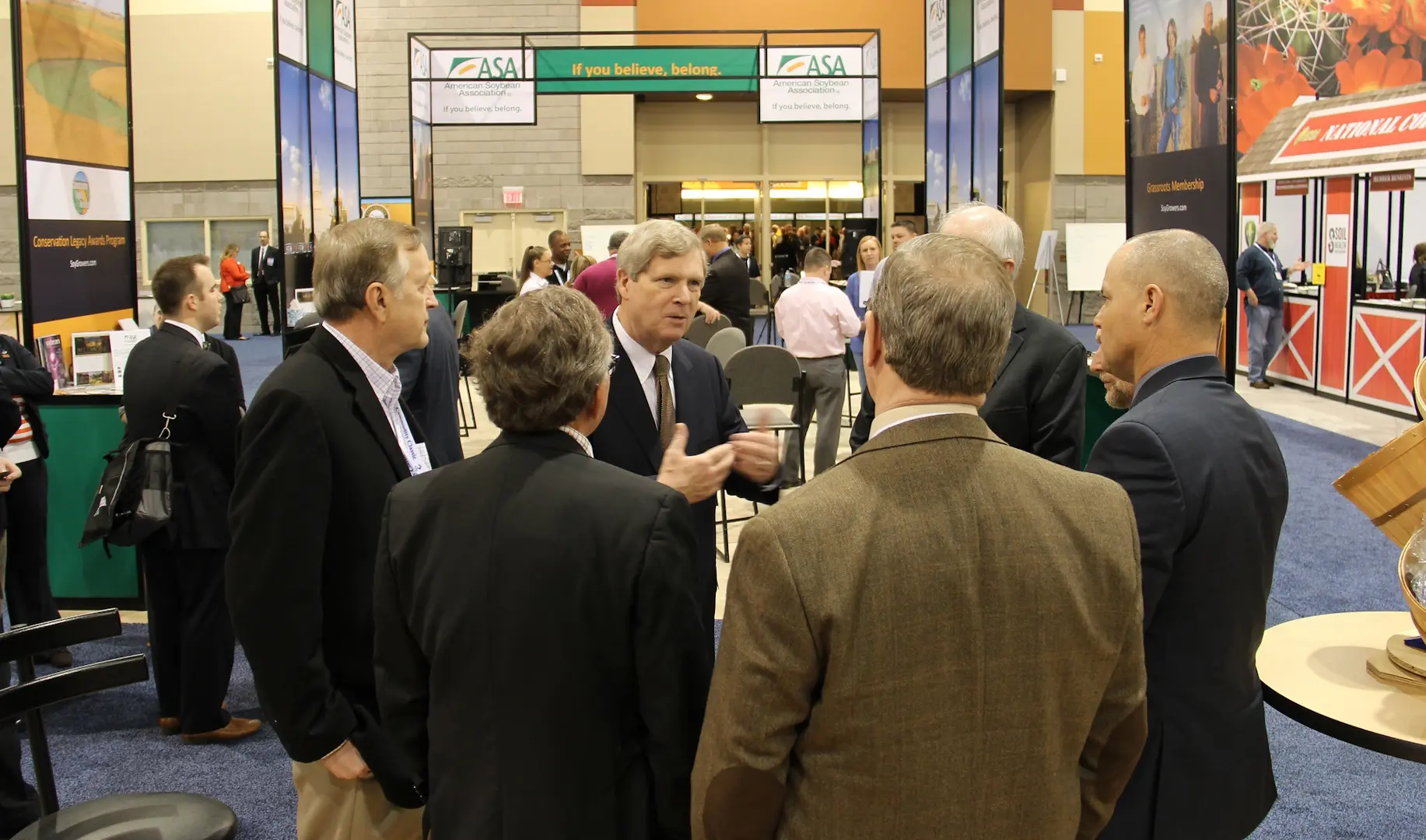

Most exhibition marketing budgets go toward the stand. Meanwhile, almost nothing is invested in telling people you will be there. The result? Exhibitors spend £15,000–£50,000 on a stand, then rely on the show’s general marketing to drive visitors to their stand.
This is a missed opportunity! The companies that consistently get the best results from exhibitions treat the pre-show period as an active marketing phase, not a passive waiting period. They build a list of people they want to see, give those people a specific reason to visit their stand, and create enough pre-show conversations that the show itself is partly about converting warm contacts rather than meeting cold prospects.
This guide covers the practical mechanics of pre-show marketing: whom to contact, what to say, and which channels to use.
Why Pre-show Marketing Outperforms Show-floor Cold Outreach
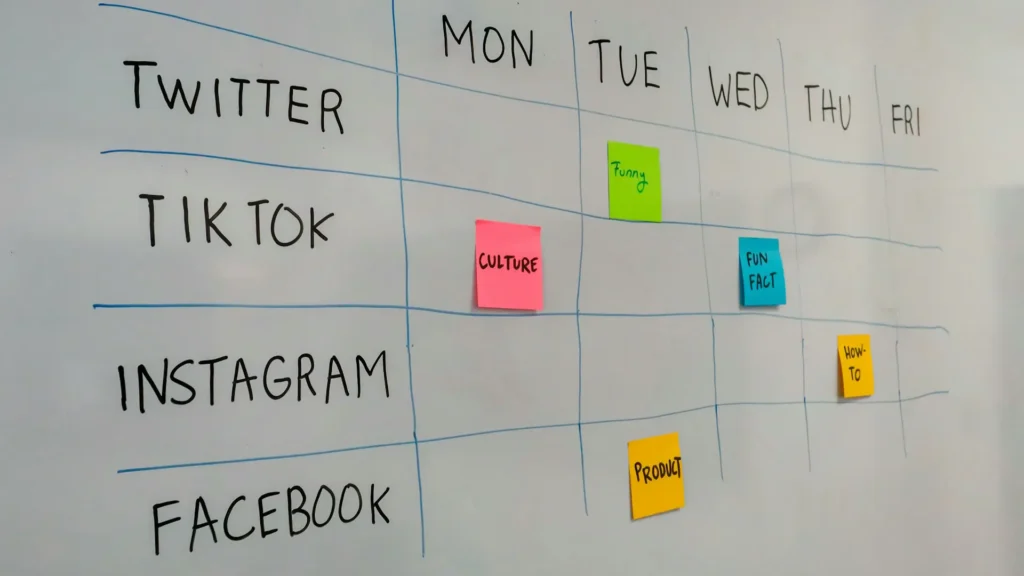
A visitor who already knows you are at the show and has a reason to find your stand is a fundamentally different prospect from someone who walks past your stand randomly and stops.
Here are three reasons pre-show marketing compounds your investment:
- It fills your diary. Confirmed meetings on the show’s floor, booked in advance, guarantee a minimum number of quality conversations regardless of footfall. A day of stand-based conversations at a show with slow traffic is recoverable, so long as you have a few pre-booked meetings to fall back on. If you don’t, consider the day wasted!
- It shortens the conversation. A prospect who has read your pre-show email, looked at your website, and deliberately sought out your stand is already partially qualified. The conversation starts further along the sales process.
- It justifies the trip. Senior buyers at exhibitions have a limited number of conversations they are willing to have. A pre-show outreach gives them a reason to prioritise your stand over the 200 others competing for their attention.
Build Your Pre-show List
Before you write a single word of marketing copy, build the list of people you want to reach.
Categories To Include
- Warm prospects: People you have spoken to in the past 12 months who have not yet converted. A show is a reason to re-engage without it feeling like a cold call.
- Cold prospects: Target accounts where you have a contact name and email. The show provides a neutral, lower-pressure context for a first meeting.
- Existing clients: An exhibition event is an opportunity to strengthen relationships with clients you do not see regularly. A client who visits your stand feels valued; one who hears you had a stand and was not told may feel the opposite.
- Lapsed clients: Companies you used to work with but have not recently. A stand at a relevant industry show is a legitimate reason to re-establish contact.
- Industry contacts: Journalists, analysts, association staff, potential partners. These are not sales conversations per se, but they are worth having.
How To Build It:
- Export your CRM by last contact date and segment by warm/cold/client/lapsed,
- Search LinkedIn for decision-makers at target accounts registered to attend the show (some shows share attendee lists with exhibitors; LinkedIn events pages also show who is interested)
- Check the show’s hosted buyer programme. If the show operates one, apply and use the pre-show networking platform to book meetings with pre-qualified buyers.
Build this list at least six weeks before the show. Outreach sent two weeks before the show is less effective than outreach sent five to six weeks out, since people’s show diaries fill up early.
The Pre-show Email Sequence
Email remains the most direct pre-show channel for most B2B exhibitors. A three-email sequence works well:
Email 1: The Announcement (5–6 Weeks Before The Show)
Subject line examples:
- “We’ll be at [Show Name] — stand [number]”
- “Visiting [Show Name]? Come and find us”
- “[Company name] at [Show Name] — something to show you”
Content:
- One sentence on what you are showing or doing at the show that is worth their time
- Stand number and any relevant show details (hall, dates)
- A specific call to action: book a slot, reply to arrange a meeting, or a link to a calendar booking tool
Length: short. Four to six sentences are enough. It’s a top-funnel invitation.
Email 2: The Reminder With A Specific Hook (2–3 Weeks Before The Show)
This email adds something specific: a product launch, a show-only offer, a session you are running, a demonstration you want them to see. Something that is time-bound and specific to the show.
Content:
- Reference the previous email briefly (“We mentioned we’ll be at [Show]”)
- The specific thing worth seeing
- Repeat the stand number and meeting booking link
Email 3: The Final Reminder (3–5 Days Before The Show)
Subject line: “Visiting [Show Name]? We’re at stand [number]”
Content:
- Brief. One or two sentences.
- Your stand number
- A mobile number for reaching your team at the show
- “Reply if you’d like to set up a time”
Three emails are enough, but more than three becomes noise. The sequence does not need to be elaborate, but it does need to be sent consistently to the right list.
LinkedIn Event Marketing
LinkedIn is the most effective pre-show channel after direct email, particularly for reaching warm contacts and second-degree connections.
What To Post In The Weeks Before The Show.
- LinkedIn Announcement post: “We’ll be exhibiting at [Show] on [dates] — stand [number]. Come and find us if you’re going. We’ll be showing [specific thing].”
- Behind-the-scenes: a photograph of the stand being built, graphics being printed, the team getting ready. These posts typically outperform polished marketing posts in engagement.
- A specific reason to visit: a product teaser, a client story, a question your team will be answering at the show.
Direct Messages
Use LinkedIn DMs to reach warm contacts who are attending the show. A personal message works significantly better than a copy-paste when it comes to the broadcast approach. Reference something specific about their situation or previous conversation.
The Show’s LinkedIn Event
If the show has a LinkedIn event page, engage with it. Comment on posts, connect with other attendees, and make your stand number visible in your profile or comments.
The Show’s Own Marketing Channels
Most established UK exhibition events have marketing channels that exhibitors can use to reach the registered audience:
Show Website
Most shows offer exhibitors a company profile page on the show website. Complete it fully, including a logo, description, product categories, and stand number. Buyers research exhibitors before the show using the exhibitor directory; an incomplete profile loses you before the show begins!
Show Newsletter
Many shows send a pre-event newsletter to registered attendees. Exhibitors can often pay for inclusion or contribute editorial. If you are launching something at the show, this is worth the cost; the audience will be pre-qualified.
Show App
Larger UK shows (NEC events and ExCeL shows) have dedicated event apps. Ensure your stand profile is complete, your products are listed, and that you are accepting meeting requests (if the app has a meeting booking function).
Show Social Media
Follow the show’s social accounts, comment on their posts, and use the show hashtag in your own content. The show’s social team often reshares exhibitor content in the weeks leading up to the event, extending your reach to their audience.
Targeted Outreach For Hosted Buyer Programmes
Hosted buyer programmes, where pre-qualified buyers are given hosted attendance, including travel and accommodation, and a structured diary of supplier meetings, are a high-value pre-show activity. Not every event runs them, however, so do your research.
What you should do:
- Register for the hosted buyer matching programme as early as possible (these fill quickly).
- Prepare a specific pitch for buyers in the programme. They are typically senior and time-constrained.
- Use the programme’s pre-show messaging platform to introduce yourself before the show.
Hosted buyer meetings are typically 20–30 minutes and structured. Prepare differently from a stand-based conversation: have a clear agenda, a specific ask, and follow-up material ready.
Internal Preparation: Briefing Your Event Team
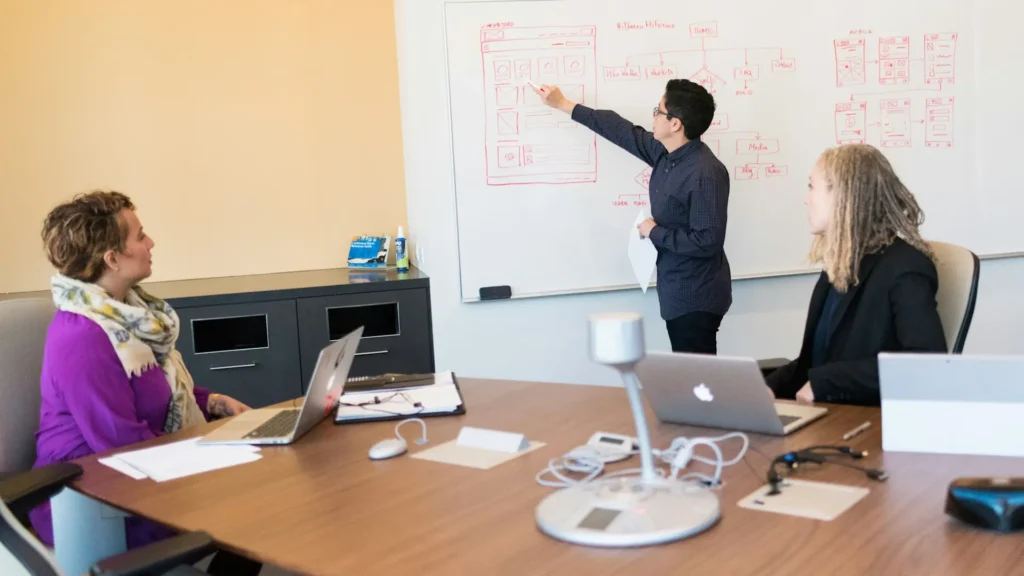
Pre-show marketing is not only external. The most consistent result of exhibition failure is the gap between what your marketing says you offer and what your stand team can discuss.
Brief Your Team On:
- What the pre-show emails said: what did you promise to show or discuss?
- Who from the pre-show list might visit, and what their context is (warm lead, lapsed client, key target account)
- The specific product or message leading at this show
- The lead capture process and what a “hot,” “warm,” and “cold” lead looks like for this show
- Who has the authority to make commercial commitments on the stand (pricing discussions, proposal offers)
A 60-minute briefing held the week before the show is one of the highest-return hours of preparation you can invest.
Pre-show Marketing Timeline
Here’s a handy timeline you can use to help you along as you plan your pre-show marketing.
6 weeks before:
- [ ] Build and segment pre-show list (warm prospects, cold prospects, clients, lapsed)
- [ ] Complete exhibitor profile on the show website and app
- [ ] Apply for hosted buyer programme (if applicable)
- [ ] Write Email 1 and schedule it
4 weeks before:
- [ ] Send Email 1
- [ ] Post first LinkedIn announcement
- [ ] Begin LinkedIn direct message outreach to priority contacts
2–3 weeks before:
- [ ] Send Email 2 (specific hook)
- [ ] Post LinkedIn behind-the-scenes content
- [ ] Confirm pre-booked meetings and add to team calendars
3–5 days before:
- [ ] Send Email 3 (final reminder)
- [ ] Brief the show team
- [ ] Confirm meeting attendees and share stand location
After the show:
Hand the lead list directly to the post-show follow-up process. See the Post-show Follow-up Guide for a structured approach to converting show conversations into your pipeline.
The Simplest Version
If the full guide above is more than you can manage for your first show, do these at a minimum:
- Email your warm prospect list with your stand number and one specific reason to visit (five to six weeks before the show).
- Post on LinkedIn with your stand number and what you are showing. Choose good-quality images.
- Complete your exhibitor profile on the show website-
These three actions take a few hours and measurably increase the number of quality conversations you have on the stand. Companies that skip this step and rely on footfall alone to outperform their competitors will be sorely disappointed.
Now that you’ve got your marketing sorted, why not finalise your exhibition stand too? At Booth Exhibits™, we’re excited to partner with you to develop a unique display that wins you business and exposure.