

Welcome to the heartbeat of human connection: the US events industry. From the bustling stages of trade show conferences to the intimate boardrooms hosting crucial business seminars, trade events are the invisible infrastructure that moves our world. We’re talking about an industry that’s ALL about creating experiences that resonate, inspire, and fundamentally change how we interact.
Yet, taking part is no simple task. Every year, dozens of exhibitors start limiting their participation due to poor results. Complaints about decreased return on investment (ROI) are more common, and many companies are left wondering where it all went wrong, despite others having succeeded.
As it turns out, there may be some hope after all, so gather around and be prepared as we unpack what it takes to succeed as an exhibitor in the US events industry and why that’s important. You don’t want to miss these tips!
Why Is The US Events Industry Worth It As An Exhibitor?
Despite a small setback during the pandemic, the US trade show industry is back on track and experiencing healthy growth, making it more worthwhile for you to put in that extra effort.

Here are some key statistics:
- The US event management market was $285.18 billion in 2024 and is projected to reach $471.44 billion by 2033.
- Within that, the US corporate event services market (conferences, product launches, trade shows etc.) was $28.85 billion in 2023, forecast to hit $62.03 billion by 2035.
- In 2022, meetings and events generated nearly $100 billion in travel spending in the US.
- There are roughly 13,000 trade shows per year in the United States.
- Traditional trade shows contributed about $101 billion to the U.S. economy in 2023, up about 12% year-on-year.
- Cancellation rate for in-person events in Q4 2024 was just 0.3%, down from 1.4% in Q4 2023.
- About 72–92% of attendees say their main reason for attending is to see new products and services.
What Are The Seven Rules For Trade Show Success?
We’ve compiled these seven rules you should follow for greater success as an exhibitor in the US events industry:
- Plan your trade shows properly
- Define your event objectives
- Invest in pre-show trade show marketing
- Design a captivating trade show booth
- Learn how to engage visitors
- Improve your selling techniques
- Master the art of closing your leads
1. Plan Your Trade Shows Properly
Nowadays, many companies decide to dive headfirst into an event without any prior planning. Not only will this strategy make the process more stressful, but it will also set you up for failure.
Although it may seem daunting at first, creating an effective trade show plan really isn’t too challenging. In only a few pages, you should outline everything you want to achieve and you’re going to achieve it. Your plan should also take note of all the potential challenges you may face during the trade show and what you might do to mitigate these issues.
You should also take time to designate the staff who’ll work at your trade show booth and consider partnering with experienced global trade show booth builders who understand local venue requirements and regulations.

Finally, you shouldn’t neglect to include some form of budget in your trade show planning. Taking the time to record your costs will help you keep track of your spending money; this will assist you significantly in tracking your ROI after every show. Any wasteful expenditure will only hurt you in the long run, so it’s best to prevent this before it becomes a real threat to your performance.
2. Define Your Event Objectives
Many exhibitors proudly proclaim they have only one event objective: achieving lots of sales. While ambitious, this approach is too vague. It won’t lead to more successful events either.
In reality, “trade show objectives” should be much more specific. Vague aspirations, like those to achieve greater sales, are better described as goals that you can achieve by meeting certain objectives along the way. Each objective should be specific and quantifiable, allowing you to track your progress and quickly adjust things if they don’t go according to plan.

In viewing objectives and goals as different but related concepts, it becomes possible to target growth in other areas. Indeed, not all of your trade shows may be purely sales-oriented; you may choose to pursue other objectives instead, like market research, improving brand awareness, or gauging product feedback from demonstrations.
Success as a business depends on multiple factors, not just doing one thing correctly. In adopting a few key event objectives and a main goal for every event, you can expect to see greater growth as you navigate B2B trade shows.
3. Invest In Pre-Show Trade Show Marketing
What good will your planning be, if your target attendees don’t even know you’re going to be there?
Enter the world of B2B trade show marketing, a cornerstone of every successful exhibitor in the US events industry. With the rise of social media, there’s no longer an excuse not to keep your potential clients in the loop regarding when and where you’ll pitch your display.
From Instagram tag campaigns to LinkedIn updates and comprehensive email marketing, there’s a lot you can do to generate publicity around your event participation!

Still, with so many platforms available, it’s easy to get confused. The key to success lies in choosing a platform that works for your target audience to maximize returns. Don’t forget about tried and tested offline channels either; you should be looking at both online and offline channels to help boost visitor numbers. Balance your platform usage correctly, and you too can expect to experience better results as an exhibitor.
4. Design A Captivating Trade Show Booth
According to modern research, human beings have around seven seconds to make a positive impression on one another. In a packed trade show hall crowded with attendees and competitors, one aspect is more important than any other: your trade show booth design.
Exciting colors, memorable design, readable letters, and a welcoming layout are now the bare minimum for attracting the clients you want at any major B2B event.
Don’t think you can just do this by yourself either; your top competitors will likely work with expert designers to craft outstanding showpieces that work effectively across different markets and venues.
There’s often a variety of hidden costs to navigate when designing your trade show booth, too. Logistics, storage, and assembly fees can add up quickly if you aren’t familiar with the process. You also need to consider your booth’s materials and design, which can alter your costs significantly.
An eye-opening custom trade show display will attract the most visitors, but carries the heftiest price tag. Meanwhile, reusable modular trade show booths offer reliable performance at a lower price point.
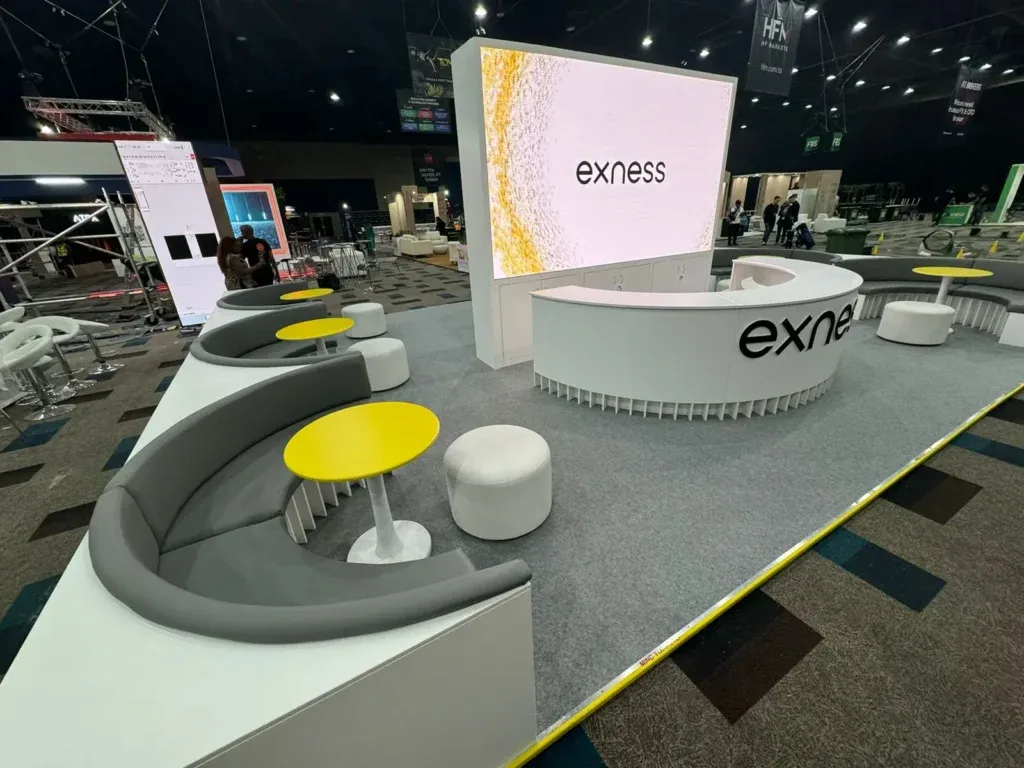
Whichever type you go for, always remember to keep your trade show booth ideas in line with your brand image and your broader objectives.
5. Learn How To Engage Visitors
Whether you’re going at it alone or working with your dedicated team of staff, knowing how to captivate your audience is another pillar in your journey to trade show success. Making your guests feel welcome, listening to what they have to say, and maintaining professional standards all form a solid foundation for your business image!
Working together with a motivated team behind you will also drive visitor engagement, so long as your staff are well-trained and know their roles. It’s not always about having the best salespeople either. Although it can help, what really matters is having motivated people behind you who believe in your company’s success; these energetic individuals are the ones who will carry you forward through long hours and days. ahead
Start treating your trade show staff well, and you’ll be surprised how much it can improve your performance.
6. Improve Your Selling Techniques
Around the world and in the global B2B events industry, attendees visit to buy, not to be sold.
The single best way to maintain an impressive stream of trade show sales is to improve your conversational techniques, paying careful attention to what your attendees are saying without becoming overbearing.

Asking the right questions to your guests is another important aspect of this process. Remember to always ask open-ended questions, which allow your visitor to open up and keep the conversation flowing. They’ll appreciate being given the chance to highlight their frustrations, and you’ll gain an opportunity to pitch your solution to them.
Many exhibitors tend to go the opposite route, with predictably poor results. Simple yes or no questions like “can I help you” do little else than kill confidence and drive sales down.
Take time to consider what kinds of questions you’ll ask your guests, ensuring your staff is also well prepared for speaking to potential clients. Besides achieving higher sales figures, approaching trade shows like this will help your brand become more memorable amongst attendees, too.
7. Master The Art Of Closing Leads
The final rule for finding success in the US events industry is an obvious one: closing leads properly and following up on them. It sounds easy enough, but this is another thing some exhibitors struggle to navigate.
Closing leads on the trade show floor is the first part of this process. While it can be done by hand, there are newer methods available, like capturing client information digitally or using software to automate the process. No matter which option you choose, you should be prepared for the potential risks associated with each.
For instance, paid software solutions tend to come with a high price tag, and this can badly offset your ROI if you’re a small upstart company looking to get your name out there. Digital tools can also become problematic if you experience technical issues. Meanwhile, handwritten data entry can become overwhelming at larger trade events where you tend to receive many attendees.
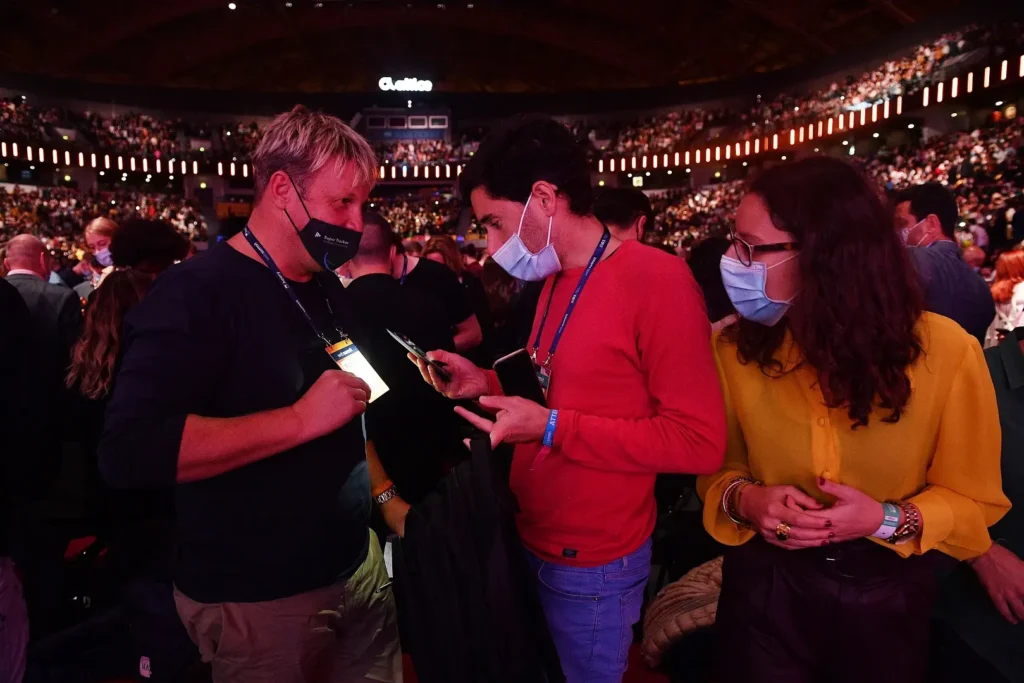
The final challenge of trade show lead capture is the most important: following up. Leads are both beneficial and lucrative, but they have little value if you don’t use them. Again, it sounds straightforward, but you’d be surprised how many companies out there delay following up on leads until they become useless.
Only by following up on your leads promptly within a few days, can you overcome this roadblock and prevent your hard work from being wasted.
Getting Trade Shows Right, The First Time
The US events industry is highly lucrative, but you need to know what you’re doing. Trying to succeed as a new exhibitor without any planning or foresight can lead to disaster, with little or no return on your investment. On the other hand, by preparing properly and putting in the effort to improve your performance, you’ll be sure to see better results that make exhibiting worthwhile.
With years of experience in the game and a hassle-free process from the get-go, Booth Exhibits™ is committed to helping you achieve your business goals with a trade show booth that truly stands out. Book a call with us today, and discover why our clients trust us to guide them through global events that attract tens of thousands.
How big is the event industry in the US?
The US event management market was $285.18 billion in 2024.
How much is the events industry worth to the US economy?
According to U.S. Commerce Department data, traditional trade shows contributed about $101 billion to the U.S. economy in 2023.