

Are your trade show appearances generating the real business results you need?
As a CEO, marketing manager, or event planner, you know that simply showing up isn’t enough. Participating in B2B trade shows demands a significant investment of time, money, and resources. Yet, many companies approach these events with vague goals, opening up the possibility for diminished returns on their investments.
The solution is simple: you need a strategic trade show plan, a clear set of event objectives, and a way to measure event success. This article introduces a powerful tool: a customizable trade show planning template designed to transform your appearance from a shot in the dark to a laser-focused growth opportunity.
Gather around as we explore what a trade show planning template is, why it’s essential, and how to measure progress using the practical template we’ve created, all while driving tangible business outcomes.
Get ready to make your next trade show your most successful event yet!
What Is A Trade Show Planning Template For Exhibitors?
A trade show planning template is a helpful document you can complete before your events, which is used for goal-setting purposes by describing the event objectives you want to achieve on the day. It’s one of the most important tools in your arsenal as an exhibitor; it will help you track your ongoing progress and reveal areas where you can improve.
While it can take some time to complete, the payoff is always worth it. Besides seeing improved results over the long run, you’ll also feel more in control over exhibiting and feel less stressed. So, make it one of your personal goals to stick to your planning template!
Trade Show Planning Template Download
Why Should You Use A Trade Show Planning Template?
Trade shows move fast. Between choosing the right show, finalizing your booth design, briefing your sales team, and lining up meetings, it’s easy for important details to slip through the cracks. A trade show planning template takes all of those moving parts and organizes them into one clear, easy-to-follow roadmap.
Instead of juggling separate documents, email threads, and mental notes, your template becomes the single source of truth for your event. Everyone can see what you’re trying to achieve, how you’ll do it, and who is responsible for each step!
Here’s what a planning template helps you do:
- Turn vague intentions into clear objectives
Most teams go into a show saying things like “we want more leads” or “we want better brand visibility”. The template forces you to define exactly what that means in practical terms: how many leads, which kind of prospects, and in what timeframe. - Align marketing, sales, and operations
Trade shows are more than another part of your event marketing efforts. Sales, leadership, logistics, and finance all get involved at some point. A planning template pulls their priorities into one place so you avoid duplicated work, missed deadlines, and last-minute friction on the way to the show. - Stay ahead of deadlines and hidden costs
From early-bird show services to shipping cut-offs, there are plenty of dates that can impact your budget and stress levels. Your template keeps track of these milestones so you can act early, avoid rush fees, and give your team enough time to do their best work. - Measure ROI with confidence
When your objectives, targets, and follow-up actions are written down, it becomes much easier to connect the dots between your trade show activity and real business results. You can plug those goals into your CRM, report back to leadership, and make smarter decisions about where to invest next year. - Reduce stress and complexity for your team
Exhibiting will always be a big lift, but it doesn’t have to feel chaotic. A planning template breaks down the event planning process into manageable steps, helping your team feel more in control before, during, and after the event.
In short, a trade show planning template takes something complex and makes it manageable. It gives you structure without slowing you down, ensures your investment is intentional rather than hopeful, and sets you up to improve show after show instead of starting from scratch every time.
How Do You Use Our Trade Show Planning Template?
Start planning by choosing a show from your event schedule and filling in the event details, including the dates and your assigned booth number. The accurate recording of this information is important not just to keep your team on the same page, but also to assist in your trade show marketing efforts.
Next, you need to consider your trade show objectives. We’ve broken these down into six broad categories, which you might consider clear and actionable goals for your event:
- Lead Generation
- Brand Awareness
- Product/Service Launch
- Relationship Building
- Market Research
- Sales
These goals are the most commonly targeted by exhibitors, but you can add your own if you like. Choose up to three from this list to focus on, but ensure you don’t lose focus and choose too many goals at once.
Selecting only a few meaningful goals to go after is often a better way to go about things, especially if you’re just starting out and have a limited budget. You should also avoid choosing overly ambitious goals if you find yourself in this position.
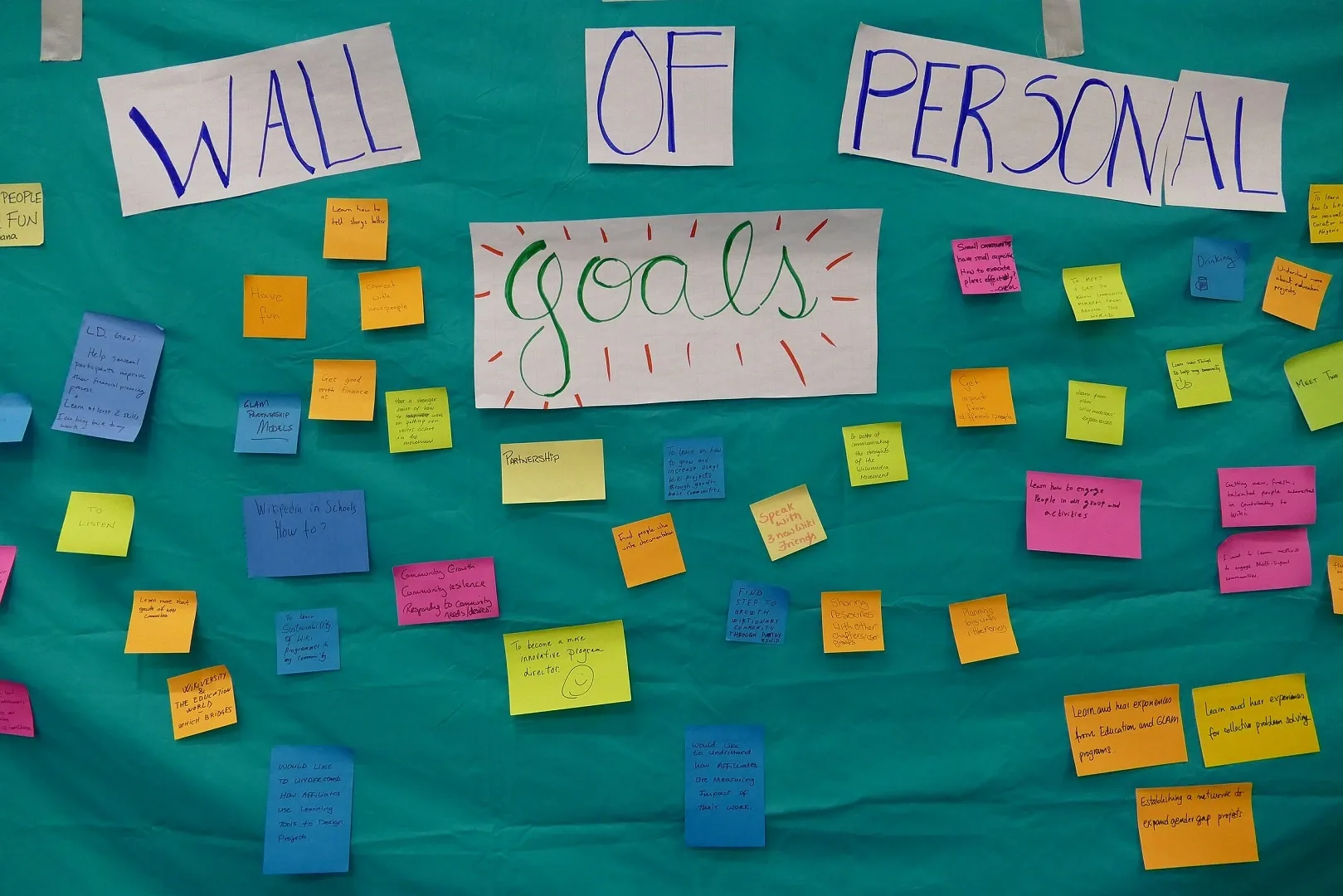
Which objectives you want to target should be finalized beforehand in the trade show planning stage.
Working With The Table
Now that your objectives have been defined, enter them into the left-hand column of the table and complete it row-by-row for each goal you want to target. If you only have one goal, you’ll only have one row, and so on.
The remaining columns are designed to help you with the goal-setting process, which is done according to SMART sales goals criteria. SMART is an acronym that stands for Specific, Measurable, Achievable, Relevant, and Time-bound; defining your objectives according to SMART criteria tends to yield better event management outcomes.
The first column, “target/metric”, ensures your objectives are specific. You’ll measure this metric using whatever you enter into the last column in the table. The remaining columns ensure your objective will be achievable, relevant, and time-bound.
You can use our example at the bottom of the table to help you along.
Creating A Post-Show Follow-Up Plan
Unfortunately, setting goals and objectives is pointless unless you create a plan to check whether you have met them or not. Tracking your progress enables you to learn from your experience and adjust your next set of objectives for future events.

This is where post-show follow-up plans and goal-tracking templates come in. Both are incredibly useful for veteran and novice exhibitors alike; they’ll help you with project management, keeping you in control of your event performances over time.
To create a robust post-show objectives follow-up plan, simply describe the review actions that need to be done once the show is complete. Ensure each one has a deadline and that each person responsible for completing a follow-up action has their name recorded on the sheet, too.
Ideally, you should host a meeting with your trade show staff to go over your objectives and to track progress. Then, you can adjust your objectives for your next events and take the relevant actionable steps toward improvement.
It’s all part of the same trade show planning process!
Taste Trade Show Triumph With Our Planning Template
By completing this event planning template thoroughly, exhibitors can ensure they have a clear roadmap for success across multiple events. As an aspiring exhibitor, you’ll feel more in control of the process and what needs to be done to secure greater returns on investment. Goal setting has never been easier!
Now that you know what you want to achieve, you should consider working with professional global trade show booth builders with local offices to create successful trade show environments. This ensures your booth design supports your specific objectives, whether you’re exhibiting domestically or internationally.