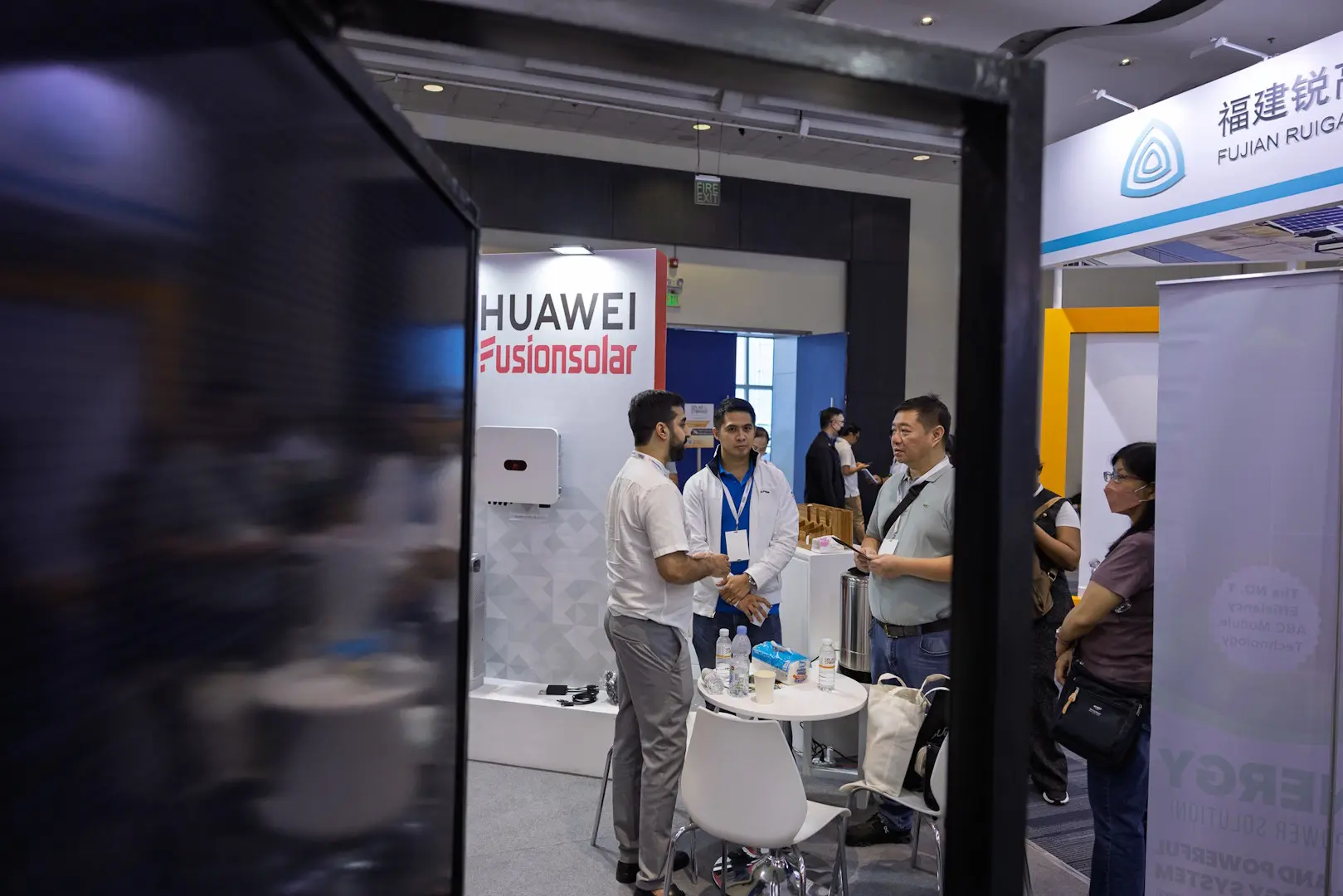

Exhibiting at an exhibition can be one of the most powerful moves in your marketing strategy if it’s managed well. And yet, with so many moving parts, from logistics and stand design to staff coordination and lead capture, exhibition management can quickly turn from exciting to overwhelming.
At Booth Exhibits™, we’ve spent years working with marketing managers, CEOs, and event planners across the globe to simplify this process. Now, we’re ready to share some insights on this with you!
In this article, we break down the key elements of exhibition management that every exhibitor should understand, whether you’re stepping onto the show floor for the first time or refining your presence at a flagship event. We’ll also discover how exhibitors can synergise their exhibition management practices with those of event organisers, resulting in greater event success for all.
What Is Exhibition Management?
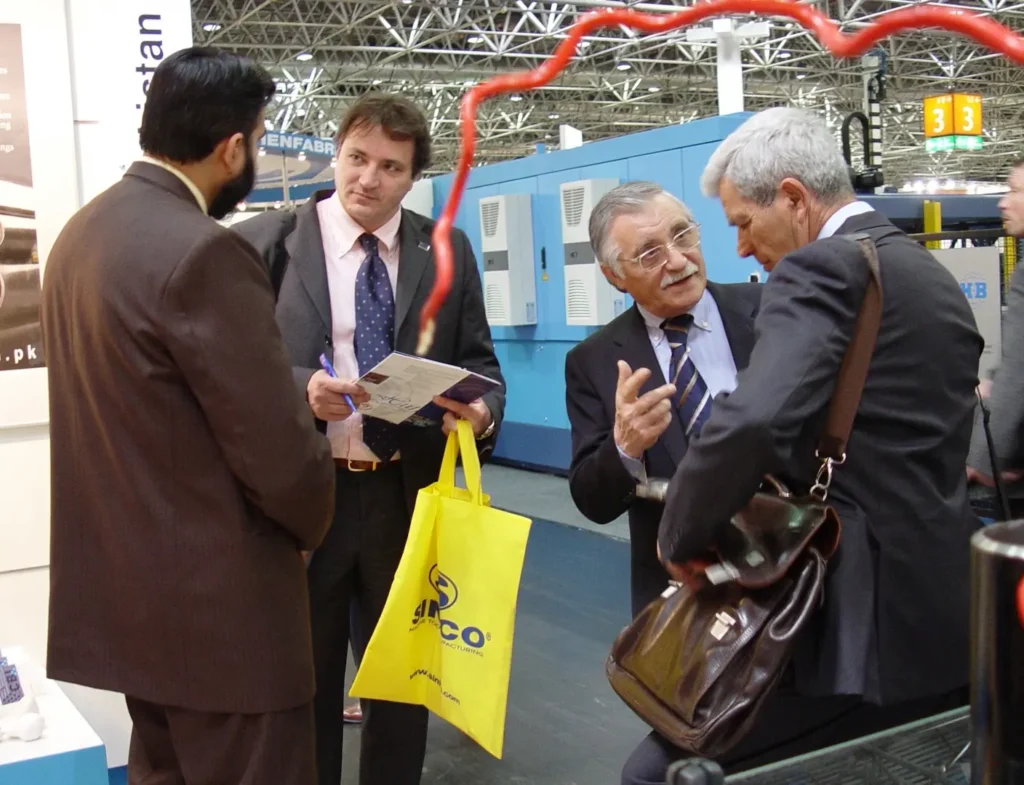
Exhibition management is the process of planning, organising, coordinating, and executing exhibitions to ensure their success. For event organisers, this means setting up the venue, marketing the show, and handling relations between attendees and exhibitors.
As an exhibitor, exhibition management means much of the same. It includes all your planning, logistics, marketing strategies, sales approaches, exhibition stand installation, and dedicated on-site exhibition staff.
For a successful event, both exhibitors and event organisers must collaborate on exhibition management and work together. This means everyone should be on the same page regarding things like stand construction regulations and exhibitor health and safety.
How Do Event Organisers Navigate Event Management?
Organising an exhibition is just as stressful from the organiser’s point of view as it is from an exhibitor’s. Just like exhibitors, organisers also have to do a fair amount of event planning, budgeting, and marketing before the show begins. Organisers also have to coordinate show logistics and assess attendee engagement.
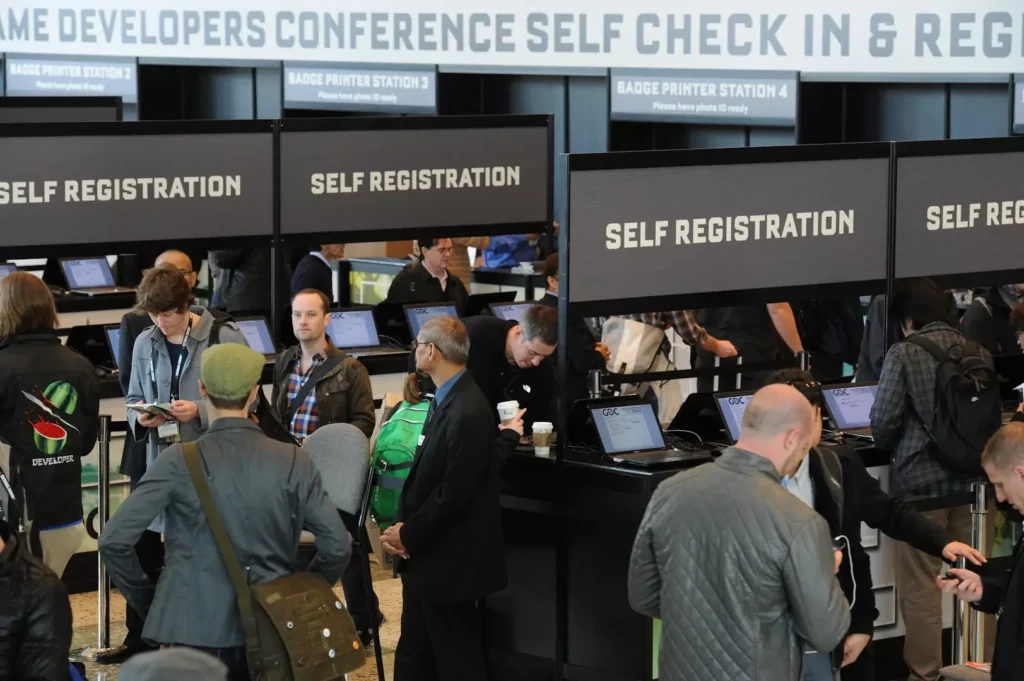
Unlike exhibitors, however, show organisers also have some other duties that exhibitors don’t have to address. For example, organisers have to liaise with the venue owners, choose a suitable venue, coordinate with the media, develop an event schedule, and deal with the registration of attendees and exhibitors.
How Can You Work With Event Organisers As An Exhibitor?
It’s helpful to think about exhibitor-organiser collaboration as a three-stage process, starting before the event happens and ending only some time after the show itself is over.
1. Pre-Event Collaboration
Before the show doors open, you’ll need to establish a firm working relationship with the organiser. Here’s how to go about that:
- Understand the event’s goals, aligning your objectives with the organiser’s theme and audience where appropriate.
- Understand the event rules and regulations, incorporating these into your exhibition stand design ideas and exhibition staff training.
- Communicate clearly, clarifying any additional costs, services provided (like WiFi), and show deadlines.
- Coordinate your pre-show marketing efforts with the organiser, such as by supplying your brand logo, sharing the organiser’s social posts, and adopting official event hashtags.
- View the exhibition floor plan, so you don’t end up lost on exhibition day.
2. Collaboration During The Event
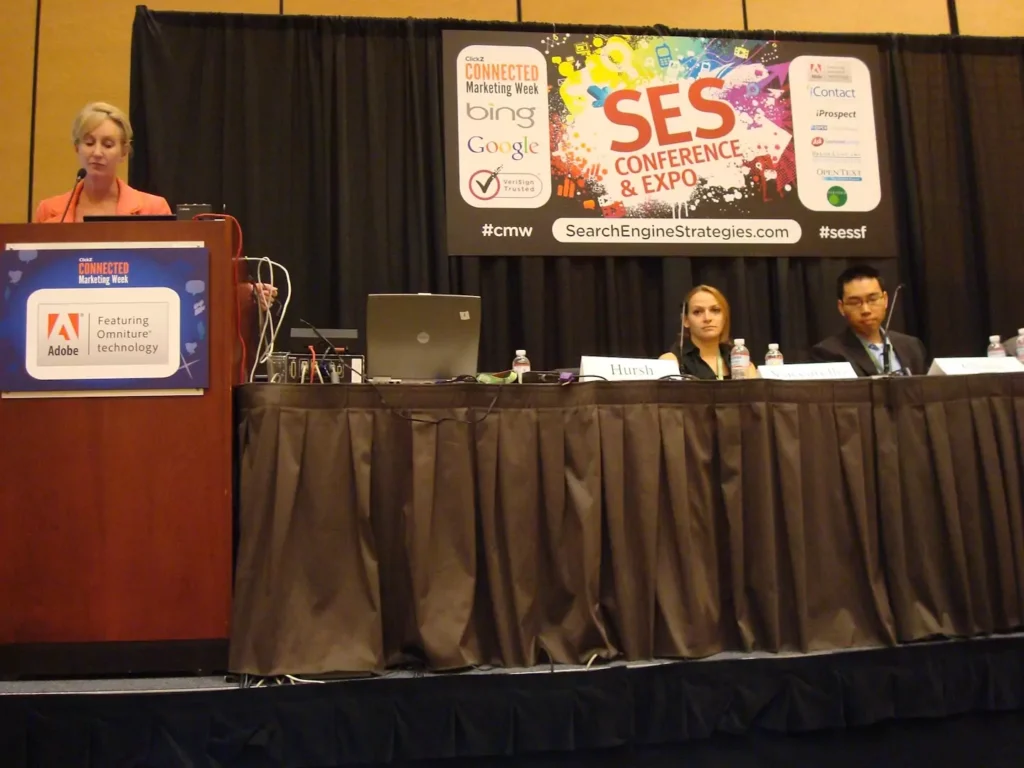
With the event open to visitors, you’ll need to sustain your relationship with the organisers to optimise your exhibition management together. For example, you ought to:
- Follow the organiser’s guidelines, including those relating to safety protocols and dress code.
- Attend exhibitor briefings, as there might be last-minute updates.
- Respect the organisers and other exhibitors, by keeping your own exhibition space tidy, clutter-free, and at an acceptable noise level.
- Negotiate with the organising team, should you require any assistance or information.
3. Collaboration After The Event
There are still a few more actions to take once the event is over, ensuring your collaborative exhibition management remains at a high standard for future events:
- Provide feedback so the organisers can improve, especially if you found the event successful.
- View and discuss attendee data and statistics, if applicable.
- Maintain the relationship, closing on a high and signaling your support for the next show edition.
What About Event Management Software?
With the advent of the 21st century, a multitude of various software solutions have been created to make event management smoother for organisers and exhibitors alike.

Each event management platform listed below represents a valuable proposition to busy event organisers, who need to automate some of their tasks. Some are catered specifically to B2B exhibitions, while others are more general organisational tools. What matters most is that you use a tool that works for you!
Top 10 Event Management Software Tools
- Personify A2Z events: A renowned all-in-one platform that event organisers use to manage their events.
- Zoho Backstage: A holistic event management software solution for in-person, digital, and hybrid events.
- Trello: A powerful task management tool that facilitates collaboration amongst your team; it’s useful for both organisers and exhibitors.
- EventCreate: A handy tool for creating stunning and professional event websites.
- TicketTailor: A specialist solution for those looking to design and sell event tickets online.
- Eventify: Another all-in-one event management software solution with competitive pricing and an easy-to-use interface.
- Whova: A mobile-first event management platform that can track how you engage attendees.
- Grip: An AI-based management platform focused on boosting engagement at events.
- Explori: A data collection tool for exhibitors, allowing them to measure event success and impact.
- Brella: A matchmaking app that connects exhibitors with relevant attendees based on interests.
Make Your Mark On The Events Industry With Expo Management
Think of exhibitions like machines. They both have hundreds of fine moving parts, which all need to work together in harmony for everything to turn out alright. But when one of these parts fails, however, there’s a good chance you’ll experience a catastrophe.
This is where event management comes into play. By keeping ahead of all their event operations, both exhibitors and organisers can achieve a healthy and productive event outcome for everyone involved. Now, with the help of advanced expo management event apps, there is no excuse not to be ahead of what’s going on at all times.
Nor does exhibition management start and end just at the exhibition venue, either. As an exhibitor, being on top of your exhibition stand is a crucial ingredient for your exhibition success. At Booth Exhibits™, we’ll do whatever it takes to make you stand out on the event floor.
What is the role of an exhibition manager?
An exhibition manager oversees all the processes of exhibition management, including the planning, organising, and execution.
What is exhibition management?
Exhibition management is the process of planning, organising, coordinating, and executing successful exhibitions or trade shows.
What skills do you need to be an exhibition manager?
All exhibition managers need strong interpersonal communication skills to help address different people’s needs during an exhibition.