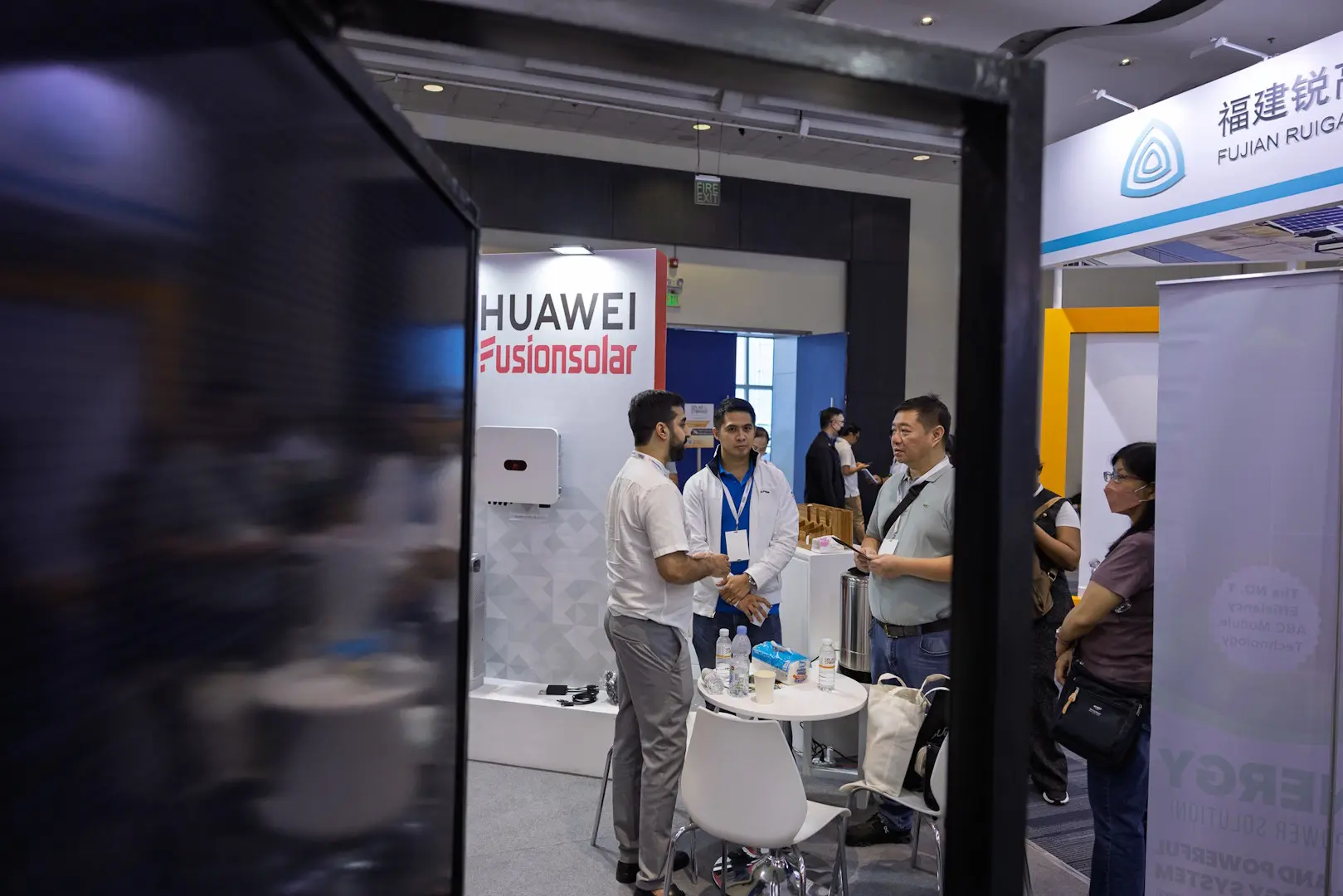

Conferences and exhibitions are essential events in many industries. They bring together businesses, organisations, and event planners to showcase their products, services, and ideas.
These events require careful planning, organisation, budget, and execution to ensure that they are successful. In this article, we will discuss what it takes to plan, organise, and execute a conference, product launch, or exhibition, including tips and tricks to help organisers plan these events.
Planning
The first step in planning a conference or exhibition is to define the purpose of the event.
Do you want to promote new products or services, educate attendees, generate more sales leads, generate sales, or create networking opportunities? Understanding the purpose of the event will help organisers determine the target audience, the number of attendees, and the type of content and activities that will be included.
Once the purpose has been defined, organisers need to decide on a theme and create an agenda. The theme should be relevant to the purpose of the event and appeal to the exhibition organisers’ target audience. The agenda should include keynote speakers, workshops, exhibitions, breakout sessions, and other activities that support the theme and purpose of the event.
Next, organisers need to choose a date and location for the event. We’ve put together a list of the top exhibition venues across the UK to help you with your exhibition planning. You should consider factors such as availability of space at the venue, accessibility, and proximity to hotels and transportation. It is also important to consider the timing of the event and avoid scheduling it during holidays or other major events that could compete for attendees and clients’ attention.
Organisers should also develop a budget for the event, including expenses such as venue rental, catering, digital marketing and staff. Keeping track of spending money and your business’s financial records for the show will stand you in good stead when you’re looking to raise investment. It’ll also help you track your yearly profit from the previous year. You should look to save money and identify potential sources of funding, such as sponsorships or ticket sales, to help your business offset costs.
Working With Your Exhibition Service Supplier
The success of your event depends on the success of your exhibitors. One of the most important aspects of organizing a successful sustainable exhibition is to ensure that your exhibitors are in good hands with their exhibition stand. For this, you need to work with a reliable and experienced exhibition stand service supplier.
Not only will they help exhibitors to increase brand awareness and attract passing visitors within the event, they’ll also make the actual show look great which is important when you’re selling the floor space to new clients.
An exhibition service supplier business can provide a wide range of services, including bespoke exhibit stand design, construction, installation, and dismantling. They can also provide graphics, flooring, lighting, furniture, and other items that will help exhibitors stand out and attract visitors to their display.
When choosing an exhibition service and pre-show show supplier, it is important to look for a company that has a good reputation and a track record of success. You should also choose a company that can work with your exhibitors to provide them with the support and guidance they need to make the most of their upcoming exhibition and stand.
To ensure that your exhibitors are in good hands, it is important to communicate with your exhibition service supplier early in the exhibition planning process. You should discuss your requirements and expectations with them and make sure that they understand your vision for the event. You should also ask for references and examples of their work to ensure that they have the necessary experience and industry expertise to meet your needs.
Organisation
Once the planning stage is complete, organisers need to start putting the event together! This includes tasks such as recruiting staff, selecting vendors, using social media, and creating marketing materials.
Staff recruitment is critical to the success of the event. Organisers and attend and should identify the roles and responsibilities of each staff member, such as registration, marketing, direct sales, speaker management, and technical support. They should also consider the number of staff needed and the qualifications and experience required for each role.
Selecting vendors is another important task. Organisers need to choose vendors that can provide a vast range of necessary services, such as catering, audio-visual equipment, and exhibit design. They should also consider the cost, reliability, and quality of each vendor.
Marketing Budgets
Marketing is crucial for attracting attendees to attend the show. Organisers must create a marketing plan and press release that includes social media, email campaigns, and other forms of advertising to raise awareness and ensure they have a successful exhibition. They should also create a website for the event that provides information about the agenda, speakers, and exhibitors for pre-show.
Execution
The execution phase is where all the planning and organisation come together. This last stage is when the event takes place, and organisers need to ensure that everything runs smoothly.
One of the most critical aspects of event planning process execution is registration. Organisers should have a system in place for registering attendees, collecting payment, and distributing name badges and other materials. They should also provide staff to assist with registration and answer any questions that attendees may have.
Another important aspect of event execution is speaker management. Organisers should ensure that all speakers are properly prepared and have the necessary equipment and materials. They should also provide staff to assist with speaker needs, such as setting up equipment and managing presentation slides.
Exhibition management is also critical to the success of those attending the event. All organisers should ensure that exhibitors have the necessary exhibition space, equipment, and materials to showcase their products or services. They should also provide staff to assist with exhibitor needs, such as setup and teardown.
Full Exhibition Planning Guide
Here are some tips and tricks to help organisers plan, organise, and execute an exhibition plan, and execute a successful conference or exhibition plan:
Pre-Show Planning
Successful international exhibitors start their preparation months in advance. Key considerations include:
Documentation and Compliance
-
- Customs documentation for stand materials and products
-
- VAT considerations and temporary import procedures. Insurance requirements for international exhibitors
-
- Health and safety compliance documentation
Marketing and Communication
-
- Adaptation of marketing materials for UK audiences
-
- British English translations and cultural adjustments
-
- Pre-show promotion through UK media channels
-
- Appointment scheduling with potential partners.
During The Show
Making the most of your exhibition presence requires understanding local business practices:
Effective Engagement
-
- Staff your stand with a mix of international and local team members
-
- Understand British business etiquette and communication styles
-
- Prepare for varying regional accents and business practices
-
- Use a mix of digital and traditional lead capture methods
Cultural Intelligence
Success in the UK market often depends on cultural awareness. Remember:
-
- British humour can be subtle and self-deprecating
-
- Business relationships often begin with small talkDirect hard selling might be less effective than relationship building
-
- Punctuality and professionalism are highly valued
Essential Resources for International Exhibitors
Successfully exhibiting in the UK requires more than just booking your space. Here’s your comprehensive guide to the support services and resources you’ll need:
Logistics and Shipping
-
- Getting your exhibition materials to the UK requires careful planning and the right partners:
-
- Approved freight forwarders familiar with UK exhibition regulations
-
- Temporary import documentation and carnet services
-
- On-site handling and storage solutions
-
- Last-mile delivery coordination with venue management
Stand Design and Construction
Your exhibition stand must comply with UK regulations while making an impact:
-
- Health and safety requirements for stand construction
-
- Power supply specifications (230V, 50Hz)
-
- Maximum height restrictions vary by venue
-
- Fire safety regulations and material certifications
Business Support Services
Access these essential services to ensure smooth operations:
-
- Local exhibition contractors and suppliers
-
- Temporary staffing and interpreters
-
- Audio-visual equipment rental
-
- On-site technical support
Planning Your Exhibition Calendar: Strategic Timing
The UK exhibition calendar follows distinct patterns that international exhibitors should consider when planning their participation:
Peak Seasons
-
- Spring (March-May): Major events across manufacturing and technology sectors
-
- Autumn (September-November): Key period for business services and retail shows
-
- January: Important for fashion, gift, and home sectors
Regional Consideration
Different regions host major events throughout the year:
-
- London: Year-round international events with peaks in spring and autumn.
-
- Birmingham: Major shows concentrated in spring and winter.
-
- Manchester: Growing calendar of specialized industry events.
-
- Glasgow: Strong focus on energy and engineering sectors.
Maximizing Your Investment: ROI Strategies
Make every pound count with these proven strategies for exhibition success:
-
- Leverage UK trade associations and chambers of commerce.
-
- Connect with potential clients through LinkedIn and industry networks.
-
- Arrange key meetings before the show begins.
-
- Consider sponsorship opportunities for increased visibility.
Data-Driven Success
Track these key metrics to measure your exhibition effectiveness:
-
- Cost per lead compared to other marketing channels.
-
- Conversion rates from show interactions.
-
- Return on investment from each show long-term value of relationships initiated.
Building Long-Term Success
Remember, exhibition success in the UK market is often built over time:
-
- Commit to regular participation in key shows.
-
- Build relationships with organisers and industry partners.
-
- Develop a reputation for reliability and innovation
-
- Invest in understanding local market nuances.
Post-Show Success: Converting Opportunities Into Results
The days immediately following a UK exhibition are crucial for international exhibitors.
Here’s how to maintain momentum and convert your leads effectively:
Immediate Follow-Up Strategy
Time is critical in the British market. Implement these steps within 48 hours:
-
- Sort leads by priority and potential value.
-
- Send personalized follow-up emails referencing specific conversations.
-
- Schedule video calls to bridge geographical distances.
-
- Share relevant materials discussed at the show.
Cultural Considerations in Follow-Up
Understanding British business culture remains crucial post-show:
-
- Maintain professional yet friendly communication.
-
- Respect UK business hours when making contact.
-
- Be patient – decision-making can be methodical.
-
- Follow up with promised information promptly.
Digital Integration for Exhibition Success
Modern UK exhibitions blend physical presence with digital engagement. Maximize your impact through:
Virtual Extensions
-
- Hybrid event capabilities.
-
- Virtual product demonstrations.
-
- Online meeting scheduling systems.
-
- Digital content sharing platform.
Social Media Strategy
Leverage key platforms popular in the UK market:
-
- LinkedIn for B2B connections and updates.
-
- Twitter for real-time event engagement.
-
- Instagram for behind-the-scenes content.
-
- YouTube for product demonstration.
Sustainable Exhibition Practices
The UK market increasingly values environmental responsibility. Stand out by adopting a sustainable exhibition stand and sustainable business practices::
Eco-Friendly Stand Design
-
- Reusable and recyclable materials.
-
- Energy-efficient lighting solutions.
-
- Digital over printed materials.
-
- Waste reduction strategies.
Green Logistics
-
- Carbon-neutral shipping options.
-
- Local sourcing where possible.
-
- Sustainable packaging solutions.
-
- Waste management planning.
Crisis Management And Contingency Planning
Prepare for unexpected challenges when exhibiting internationally:
Common Scenarios and Solutions
-
- Shipping delays – have backup suppliers.
-
- Staff illness – maintain a reserve team.
-
- Technical failures – backup equipment ready.
-
- Weather disruptions – flexible travel arrangements.
Building Your UK Exhibition Team
Success often depends on having the right people in place:
Essential Roles
-
- Project Manager with UK exhibition experience.
-
- Local support staff familiar with the market.
-
- Technical experts for product demonstrations.
-
- Multilingual team members if needed.
Financial Planning and Budgeting
Understanding UK exhibition costs helps optimize your investment:
Key Budget Considerations
-
- Space rental and location premiums.
-
- Stand design and construction costs.
-
- Shipping and logistics expenses.
-
- Staff travel and accommodation.
-
- Marketing and promotional materials.
-
- Insurance and contingency fun.
Next Steps: Your Exhibition Journey
Ready to take your brand to the UK exhibition scene? Consider these action points:
-
- Review the comprehensive show calendar.
-
- Identify key events in your sector.
-
- Begin budgeting and resource allocation.
-
- Contact exhibition organisers for space availability.
-
- Start assembling your exhibition team.
Get Expert Support
Don’t navigate the UK exhibition landscape alone. Our team offers
-
- Bespoke stand design and build services.
-
- Project management support.
-
- Local market insights.
-
- Logistics coordination.
Ready For Your Next Event?
Planning, organising, and executing a conference or exhibition requires careful planning, organisation, and execution. Organisers must choose the right venue, develop a detailed agenda, recruit a team of staff, create a marketing plan, select the right vendors, prepare for contingencies, and collect feedback.
By following these tips and tricks, organisers can ensure that their event is successful and meets the needs of attendees, exhibitors, and speakers. In addition to these considerations, it is important to work with a reliable exhibition service supplier to ensure that your exhibitors are in good hands.
It is also important to plan breakaway events and evening functions that provide opportunities for attendees to network, socialise, and have fun, and help to create a memorable and enjoyable experience for everyone involved. By incorporating these elements into the planning and execution of a conference or exhibition, organisers can ensure that their next event is successful, memorable, and meets the needs of all stakeholders involved.
What are the steps in planning an exhibition?
Choose the right venue, create a detailed agenda, recruit competent staff, develop a marketing plan, choose reliable vendors, prepare for contingencies, and gather feedback.
How to create an exhibition plan?
Start by defining your goals and objectives, thinking carefully about what you want to achieve, and take it from there.